Best Cooling Sheets for Hot Sleepers: Belgium Summer Bedding Guide 2026
5 min read- Why Cooling Sheets Matter for Belgian Summers
- Best Cooling Fabrics for Hot Sleepers
- Top Cooling Sheet Picks
- Thread Count vs Breathability: What Really Matters
- OEKO-TEX® Certification: Why It Matters
- Care & Maintenance Tips for Cooling Sheets
- Additional Cooling Sleep Strategies
- Choosing the Right Size for Belgian Mattresses
- Sleep Cooler This Belgian Summer
If you're a hot sleeper in Belgium, you know the struggle of summer nights when temperatures climb and humidity makes sleep uncomfortable. Belgian summers may not reach Mediterranean extremes, but warm days combined with high humidity create the perfect storm for night sweats and restless sleep.
Why Cooling Sheets Matter for Belgian Summers
Belgium's climate presents unique challenges for sleep comfort. According to the Royal Meteorological Institute of Belgium, summer temperatures have been trending upward, with heat waves becoming more frequent and intense.
The Science of Sleep Temperature
Sleep researchers consistently put the optimal sleep temperature between 15-19°C. When your body temperature rises above this range, sleep quality deteriorates, and your bedding plays a major role in how effectively that heat escapes.
Belgian Climate Considerations
Unlike southern European countries, Belgium deals with:
- High humidity (60-80%) that traps heat and moisture
- Unpredictable temperature swings between day and night
- Limited air conditioning in residential properties
- Compact urban housing that retains heat, especially in Brussels, Antwerp and Ghent
These factors make breathable, moisture-wicking bedding essential for comfortable summer sleep.
Best Cooling Fabrics for Hot Sleepers
1. Breathable Cotton (The Gold Standard)
100% cotton sheets remain the top choice for hot sleepers. Cotton's natural fibre structure allows exceptional airflow and moisture absorption, wicking sweat away from your body through the night.
- Highly absorbent, drawing moisture off the skin
- Natural breathability prevents heat trapping
- Softens with each wash
- Hypoallergenic and suitable for sensitive skin
- OEKO-TEX® certified options ensure chemical-free sleep
Our Cotton Fitted Sheet T144 uses a percale weave engineered for maximum airflow. The crisp, cool-to-the-touch feel makes it ideal for Belgian summer nights.

2. Jersey Cotton (Soft & Stretchy)
For those who prefer a softer, more flexible feel, jersey cotton offers good cooling with added comfort. The Jersey Cotton Fitted Sheet 160 GSM combines lightweight construction with plenty of stretch, useful for restless sleepers.

3. Fabrics to Avoid for Hot Sleepers
- Flannel cotton — designed for winter warmth, not summer cooling
- Polyester blends — trap heat and don't breathe effectively
- Satin and silk — luxurious, but poor at absorbing moisture
- High-density microfibre — creates a barrier that prevents airflow
Top Cooling Sheet Picks
Best Overall: Cotton Fitted Sheet T144
The Cotton Fitted Sheet T144 tops our list:
- Percale weave with an optimal thread count for breathability
- OEKO-TEX® Standard 100 certified, free from harmful chemicals
- Crisp, cool-to-the-touch feel that stays fresh all night
- Deep pockets fitting standard Belgian mattress sizes
Best for Sensitive Skin: Jersey Cotton Fitted Sheet 160 GSM
The Jersey Cotton Fitted Sheet 160 GSM delivers cooling comfort without compromising gentleness — lightweight, hypoallergenic and certified.
Complete Your Cooling Sleep System
Pair your fitted sheet with:

Thread Count vs Breathability: What Really Matters
| Thread count | Feel | Best for |
|---|---|---|
| 144-200 (percale) | Crisp, light | Maximum breathability, peak summer |
| 200-300 | Balanced | Softness with good airflow |
| 300-400 | Softer, denser | Spring and autumn |
| 400+ | Dense | Avoid for summer, traps heat |
Percale weave creates a lightweight, breathable fabric with a matte finish, ideal for cooling. Sateen weave produces a silkier, denser fabric that retains more heat. There's more detail in our thread count guide.
OEKO-TEX® Certification: Why It Matters
OEKO-TEX® Standard 100 certification means your bedding has been tested for over 100 harmful substances including formaldehyde, pesticides, heavy metals and allergenic dyes. That matters most when you're sweating through a hot night in direct contact with the fabric.
All our sheets carry this certification. Learn more in our guide to bedding for allergies and asthma.
Care & Maintenance Tips for Cooling Sheets
Washing Guidelines
- Wash every 7-10 days during summer, more often if you sweat heavily
- Use cool or warm water (30-40°C), since very hot water shortens fibre life
- Choose a mild, eco-friendly detergent
- Avoid fabric softener, which reduces moisture-wicking
Drying Best Practices
- Line dry when possible — summer sun naturally freshens fabric
- Tumble dry on low heat if using a dryer
- Remove promptly to prevent wrinkles
Additional Cooling Sleep Strategies
- Use blackout curtains during the day to block heat
- Create cross-ventilation by opening windows on opposite sides
- Run fans strategically — ceiling fans should rotate counter-clockwise in summer
- Consider a dehumidifier for humid Belgian nights
Choosing the Right Size for Belgian Mattresses
- 140×200 cm (Double) — standard Belgian double bed
- 160×200 cm (Queen) — most popular size for couples
- 180×200 cm (King) — spacious option for larger bedrooms
For detailed sizing, see Belgian Bed Sizes Explained.
Frequently Asked Questions
What are the best sheets for hot sleepers in Belgium?
100% cotton sheets with a percale weave and a thread count around 144-200 are ideal. They offer maximum breathability, moisture-wicking and temperature regulation. Look for OEKO-TEX® certified options for added safety.
Do cooling sheets really work?
Yes. Breathable fabrics like cotton let heat escape and wick sweat away, which makes a noticeable difference compared with synthetic materials, especially in humid climates like Belgium's.
What thread count is best for cooling sheets?
Choose 144-300. Lower counts provide the most breathability, while 200-300 balances softness and airflow. Avoid counts above 400 for summer use.
Are OEKO-TEX® certified sheets worth it?
Yes. The certification confirms the fabric has been tested for over 100 harmful substances, which is particularly valuable for allergy sufferers and sensitive skin.
How often should I wash cooling sheets in summer?
Every 7-10 days during Belgian summers, or more often if you sweat heavily. Use cool water and skip fabric softener to preserve breathability.
Can I use a duvet with cooling sheets in summer?
Yes, but choose a lightweight, breathable option. Our Cotton Duvet Cover Set Dyed is designed for year-round use with good summer breathability.
What's better for hot sleepers: cotton or linen?
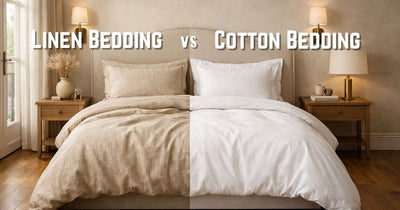
Both work well. Cotton offers immediate coolness and softness, while linen provides superior breathability with a coarser texture. For Belgian summers, cotton percale is the most versatile option.
Do jersey cotton sheets sleep cooler than percale?
Percale sleeps cooler than jersey. That said, lightweight jersey at 160 GSM still cools well for anyone who prioritises softness.
Will cooling sheets help with night sweats?
They reduce discomfort considerably by wicking moisture away and letting heat escape. They won't resolve medically caused night sweats, but they make them easier to sleep through.
Sleep Cooler This Belgian Summer
Quality cooling sheets are one of the cheapest upgrades to summer sleep. Our Cotton Fitted Sheet T144 and Jersey Cotton Fitted Sheet 160 GSM are the two options we'd point Belgian hot sleepers to first.
Related reading